

Non-toxic paint options can help reduce exposure to certain chemicals and emissions inside your home. Zero-VOC paints, low-VOC formulas, mineral paints, clay paints, and some natural paint products are worth considering when planning an interior update. However, no paint should be considered completely risk-free based on its label alone. Ingredients, application methods, ventilation, and the room's intended use all matter.
What Makes Paint Non-Toxic?
The term non-toxic paint generally describes paint formulated to reduce potentially harmful ingredients or indoor emissions. It is not a single, universally standardized product category, so the label alone does not guarantee that a paint contains no substances of concern.
One important consideration is volatile organic compounds, or VOCs. These chemicals can evaporate into the air as paint is applied and dries. Some VOCs can contribute to indoor air pollution, and certain compounds may cause irritation or other health effects depending on the substance and level of exposure.
A paint with low VOC content may still contain other ingredients that deserve consideration. Similarly, natural ingredients do not automatically make a product harmless. The goal is to choose a suitable paint with transparent information and performance characteristics that fit your project.
Types of Non-Toxic Paint for Home Interiors
Different paint formulations offer different combinations of emissions, appearance, durability, and application requirements. Understanding the main options makes it easier to compare products before purchasing.
Zero-VOC and Low-VOC Paints
Zero-VOC and low-VOC paints are common choices for homeowners who want to limit emissions during interior painting.
Zero-VOC paint is formulated to meet a manufacturer's stated threshold for VOC content, while low-VOC paint contains a limited amount of these compounds. The precise thresholds and testing methods can vary, so compare product specifications rather than relying on the wording alone.
One important detail is that some colorants and additives can introduce VOCs even when the base paint meets a zero-VOC standard. Ask whether the stated rating applies to the finished, tinted product.
These paints are available in a range of colors and finishes, making them practical for many walls and ceilings. For a home renovation, they can be a useful starting point when balancing indoor air quality preferences with familiar application and maintenance requirements.
Natural Clay and Mineral Paints
Natural clay paint and mineral paint offer alternatives to conventional synthetic wall coatings. Their ingredients and properties vary by manufacturer, but they commonly use mineral-based components to create a distinctive matte or textured appearance.
Clay paints are often chosen for their soft, earthy finish, while mineral paints may be suitable for particular masonry or plaster surfaces. Some products are designed for breathable wall systems, although performance depends on the formulation and substrate.
Before choosing either option, check surface compatibility, preparation requirements, coverage, and cleaning instructions. Certain mineral paints require specific primers or work best on particular surfaces. These details are especially important when painting older walls or incorporating the product into a larger remodeling project.
Milk Paint and Other Natural Paint Options
Milk paint is traditionally made using milk protein, mineral pigments, and other ingredients, although modern formulations vary. It is often associated with a matte, slightly textured appearance and is used on furniture, cabinetry, and selected interior surfaces.
Other natural paint options may use plant-derived oils, mineral pigments, or different natural binders. Their environmental and health characteristics depend on the complete formulation, including any added preservatives or solvents.
Do not assume that a product is suitable for every room simply because it is marketed as natural. Check whether it is intended for walls, trim, furniture, or cabinetry, and whether it needs a separate sealer or topcoat.
Water-Based Paints
Water-based paint uses water as its primary carrier rather than relying primarily on traditional solvent-based formulations. Many modern interior wall paints fall into this category.
These products are widely used for walls, ceilings, trim, and some cabinetry applications. Depending on the formula, they may offer easier cleanup with water, relatively low odor, and practical drying times.
However, water-based does not automatically mean VOC-free or non-toxic. Some formulas contain additives and preservatives, and VOC levels differ by product. Check the technical data sheet and label before making a decision.
For many residential projects, a well-specified water-based paint can provide a practical balance of finish quality, maintenance, and emissions considerations.

How to Choose the Right Non-Toxic Paint for Each Room
Start by identifying what the surface needs to withstand. A bedroom wall has different requirements from a kitchen backsplash area or a frequently cleaned hallway. Your preferred finish, cleaning routine, moisture exposure, and ventilation conditions should all influence the selection.
For living rooms and bedrooms, prioritize suitable interior wall paint with transparent VOC information and an appropriate finish. Matte finishes can help disguise minor surface imperfections, while eggshell or satin finishes may be easier to wipe clean, depending on the product.
For kitchens and bathrooms, look for paint specifically rated for the expected moisture and cleaning conditions. Bathroom walls may need a moisture-resistant coating and good ventilation, while kitchen walls can benefit from a durable, washable finish. Paint alone does not prevent leaks, condensation, or mold caused by underlying moisture problems.
For nurseries and children's rooms, compare low-emission products carefully and follow all curing and ventilation instructions. Keep children away from the work area during painting and until the product instructions indicate that re-entry is appropriate.
Also consider the existing surface. Bare drywall, previously painted walls, plaster, wood trim, and cabinetry may need different primers and coatings. Selecting compatible products helps avoid adhesion problems, uneven coverage, and premature peeling.
What to Look for on Non-Toxic Paint Labels
A product label is a useful starting point, but it should not be your only source of information. Check the manufacturer's technical data sheet and safety data sheet when available, particularly if you have specific concerns about ingredients or emissions.
Look for a clearly stated VOC content, the intended application, recommended primer, coverage estimates, drying instructions, and cleanup requirements. If the manufacturer provides information about emissions testing or third-party certification, review what the certification actually evaluates.
Be cautious with broad claims such as “chemical-free” or “completely safe.” All paints contain substances that serve a purpose, and risk depends on the specific ingredients, exposure, and application conditions.
An emissions certification may provide useful evidence about a product's performance under a defined testing standard. However, certifications differ in scope, so verify whether a label addresses VOC emissions, ingredient restrictions, or another environmental or health-related criterion.
Odor is not a reliable measure of safety. A paint with little noticeable smell can still contain substances that require appropriate handling, while a noticeable odor does not by itself establish a specific level of risk. Use the product documentation and recommended precautions instead of relying on smell alone.
Benefits and Limitations of Non-Toxic Paint
Choosing lower-emission or carefully disclosed paint products can support an indoor air quality strategy, especially when combined with good ventilation and sensible construction practices. Still, no single paint choice guarantees healthy indoor air or eliminates every potential exposure.
Durability, Coverage, and Finish
A suitable non-toxic paint can provide an attractive, durable finish, but performance depends on the formulation, surface preparation, application conditions, and maintenance.
Some products offer excellent coverage and washability, while others may require additional coats or a specialized primer. Natural clay and mineral paints can create distinctive finishes but may need more careful surface preparation than conventional wall paint.
Before buying paint for an entire home, review the manufacturer's coverage estimate and application instructions. A small test area can help you assess the color, texture, adhesion, and appearance under your home's lighting.
For high-traffic areas, compare scrub resistance and cleaning recommendations. For cabinetry and trim, confirm that the coating is designed for those surfaces rather than assuming an ordinary wall paint will provide the same durability.
Cost and Maintenance Considerations
Non-toxic paint costs vary by brand, formulation, finish, and coverage. Some specialized natural paints may cost more per container than conventional alternatives, while other low-VOC products may be similarly priced.
Compare the estimated cost per finished square foot rather than the price of one can alone. A product that needs more coats or a special primer may increase the overall project cost.
Maintenance matters, too. A washable finish may be worthwhile in kitchens, hallways, and family spaces, while a delicate matte finish may be better suited to lower-contact areas. Follow the manufacturer's recommendations for cleaning and repainting to protect the finish over time.
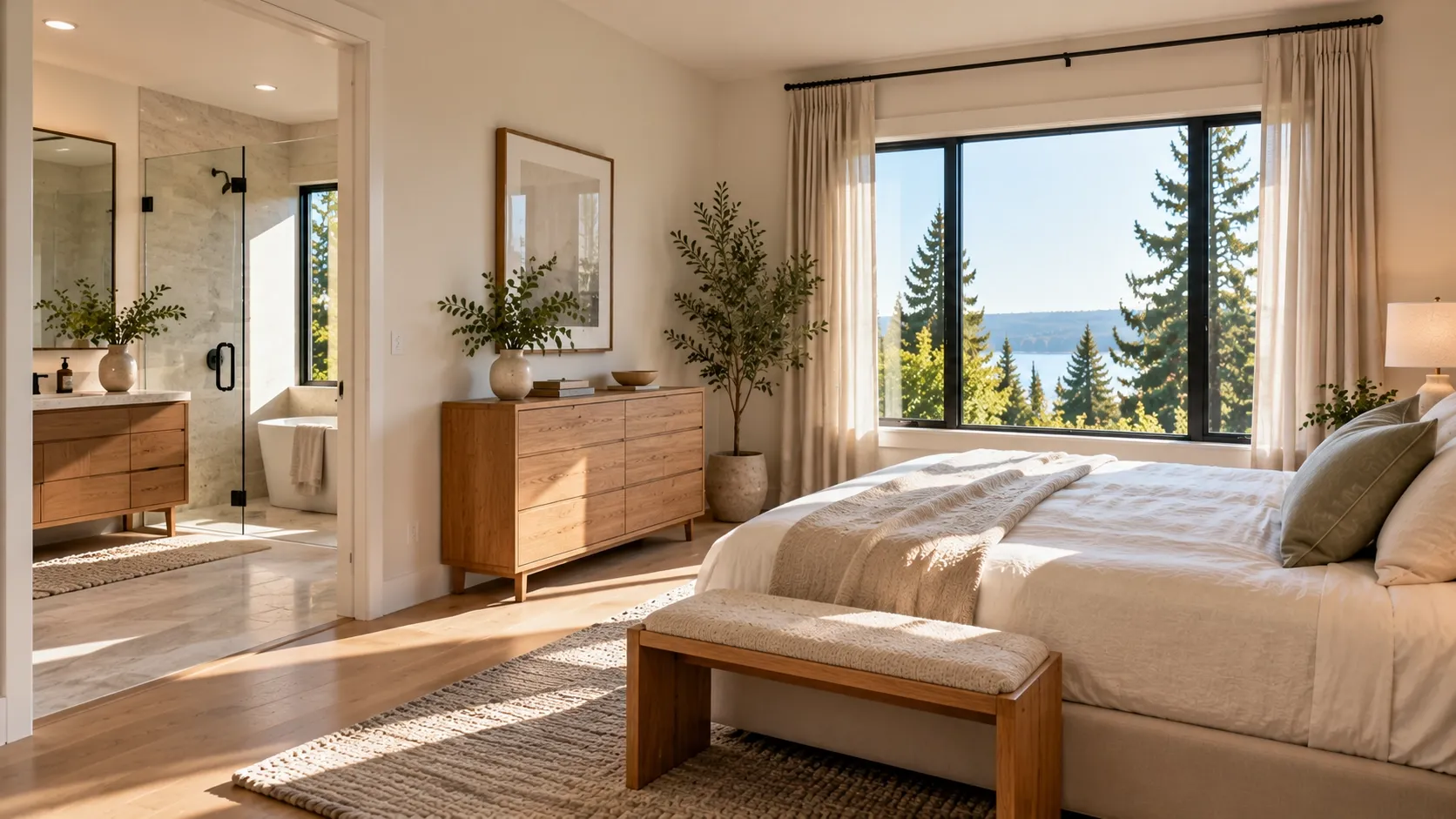
Tips for Using Non-Toxic Paint During a Home Remodel
Paint selection works best when it is considered early in the renovation process. Coordinating products with surface repairs, cabinetry installation, flooring, and other finish work can reduce rework and help keep the project organized.
Use these practical steps:
- Choose products before painting begins. Confirm the paint, primer, and any required sealers are compatible with the surfaces.
- Check product documentation. Review VOC content, ingredients where disclosed, application instructions, and recommended ventilation.
- Prepare surfaces properly. Repair damage, clean the substrate, and allow wet materials or repairs to dry as directed.
- Plan ventilation. Follow the manufacturer's instructions and provide appropriate airflow during application and drying.
- Keep occupants away from active work. Follow product-specific guidance for protective equipment and safe re-entry.
- Coordinate with other renovation work. Avoid exposing freshly painted surfaces to dust, moisture, or damage from later construction tasks.
- Store and dispose of products responsibly. Follow label instructions and local requirements for leftover paint and containers.
Conclusion
The best non-toxic paint options for your home depend on the room, surface, desired finish, and the ingredients and emissions information available for each product. Zero-VOC and low-VOC paints, water-based formulas, and selected clay, mineral, or milk paints can all be worth considering, but none should be judged by marketing claims alone.
If painting is part of a broader home update, GLC Kitchen & Bath Remodeling can help coordinate finish selections with your remodeling plans. You can contact the team to discuss your project and the next steps.
Frequently Asked Questions
No. Zero-VOC paint meets a stated threshold for VOC content, but that does not mean it contains no other potentially concerning ingredients. Colorants, preservatives, and other additives may still be present. Review the finished product's specifications and safety information, and follow the manufacturer's instructions.
There is no single paint that is safest for every home and situation. A product with clearly disclosed ingredients, low emissions, and suitability for the intended surface is a reasonable starting point. Consider the room's use, moisture levels, ventilation, and cleaning needs when comparing options.
Yes, some lower-emission paints are suitable for kitchens and bathrooms, provided the product is designed for the surface and expected conditions. Choose a washable finish for areas that need frequent cleaning and a suitable moisture-resistant coating for bathroom walls. Proper ventilation and addressing leaks or condensation remain essential.
Sometimes, but prices vary by formulation, brand, finish, and coverage. Specialized natural paints may cost more, while some low-VOC products are competitively priced. Compare coverage, required coats, primer needs, and maintenance requirements to estimate the total cost of the finished surface.