

Kitchen cabinet styles play a major role in your kitchen's appearance, storage, and everyday functionality. The right choice can make a kitchen feel modern, traditional, rustic, or timeless while complementing your countertops and flooring.
Popular options include Shaker, flat-panel, raised-panel, glass-front, and inset cabinets. Each style offers a different balance of design, maintenance, and cost. Understanding these differences helps you choose cabinets that fit your home and remodeling budget.
Shaker Kitchen Cabinets
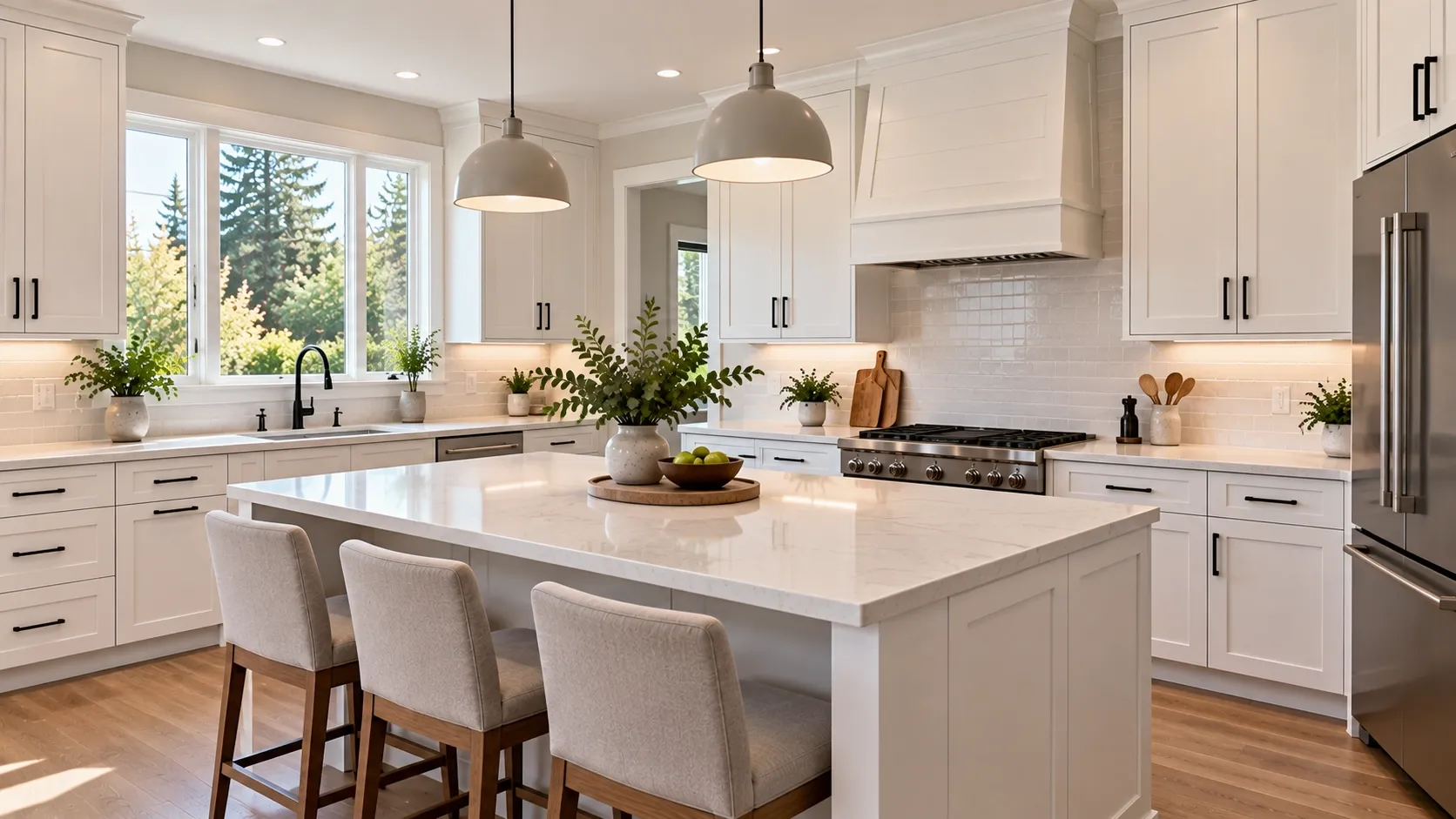
Shaker cabinets feature a simple, recessed center panel surrounded by a square frame. Their clean lines make them one of the most versatile choices for different kitchen designs.
They work well in traditional, transitional, farmhouse, and contemporary kitchens. You can pair white Shaker cabinets with quartz countertops for a bright appearance or choose natural wood finishes for added warmth.
Shaker cabinets also offer flexibility when selecting hardware. Brushed nickel pulls create a subtle look, while matte black handles add contrast.
Their main advantage is versatility. However, the framed design creates corners where dust and grease can collect, so regular cleaning is important.
Flat-Panel or Slab Cabinets
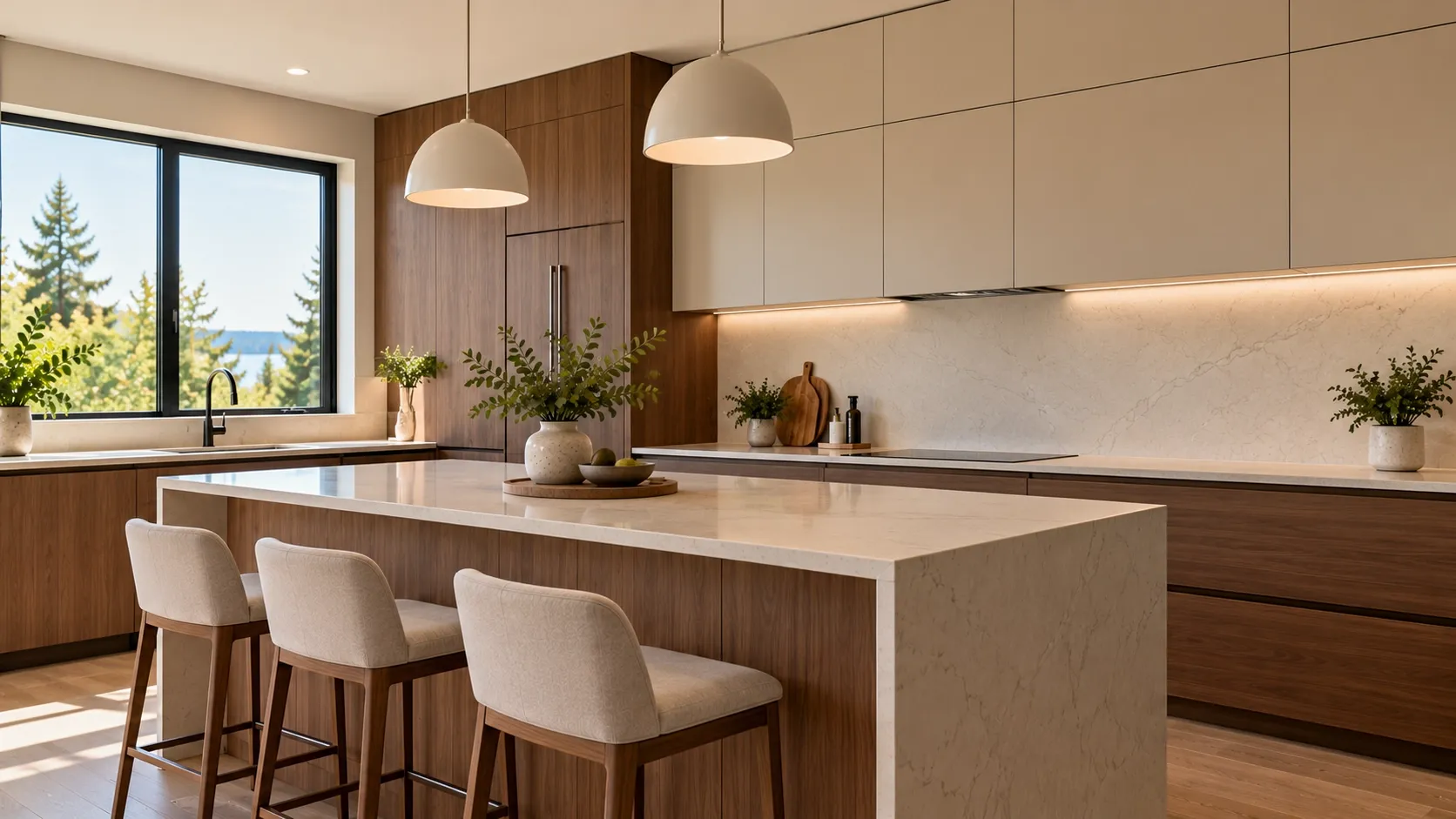
Flat-panel cabinets, also called slab cabinets, feature smooth, uninterrupted door surfaces without decorative frames or recessed panels. Their minimal design makes them a popular choice for modern kitchen cabinet styles.
These cabinets pair particularly well with streamlined countertops, simple backsplashes, and integrated appliances. Glossy finishes can create a bright, reflective appearance, while matte finishes offer a softer, understated look.
Flat-panel doors are available in wood veneer, laminate, painted finishes, and other materials. Each option has different durability and maintenance requirements.
Their smooth surfaces are generally easy to wipe clean. However, fingerprints can show more clearly on certain dark or high-gloss finishes.
Raised-Panel Cabinets
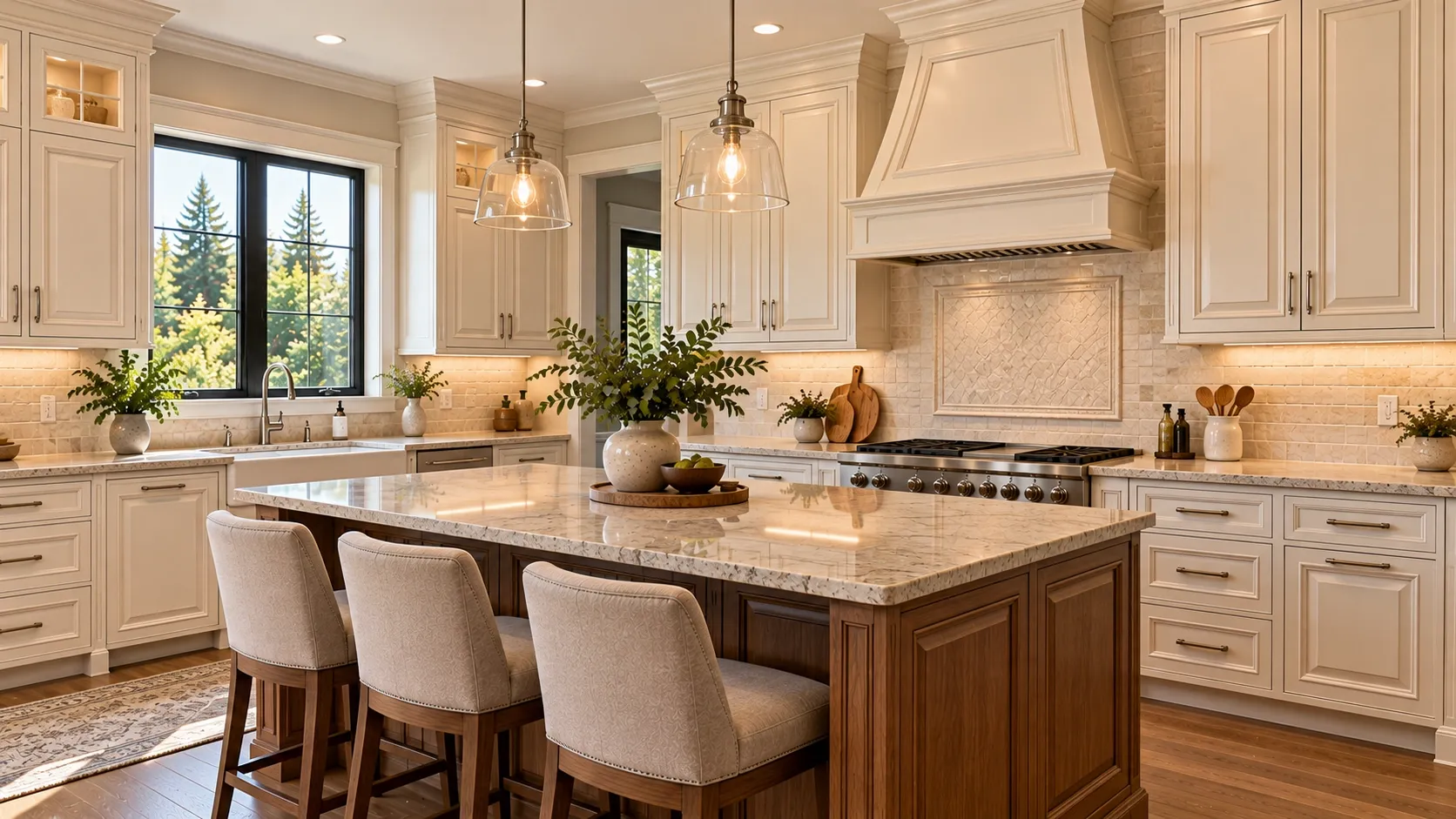
Raised-panel cabinets feature a center panel that rises above the surrounding door frame. This creates depth and detail, making them suitable for traditional and classic kitchen designs.
They often complement decorative moldings, detailed backsplashes, and natural stone countertops. Cream, warm white, and medium wood finishes can enhance their traditional appearance.
Raised-panel doors are available in different profiles, ranging from subtle curves to more elaborate designs. Simpler profiles can create a balanced look without making the kitchen feel overly formal.
Because their profiles contain more edges and contours, these cabinets may require additional effort to clean compared with flat-panel doors.
Recessed-Panel Cabinets
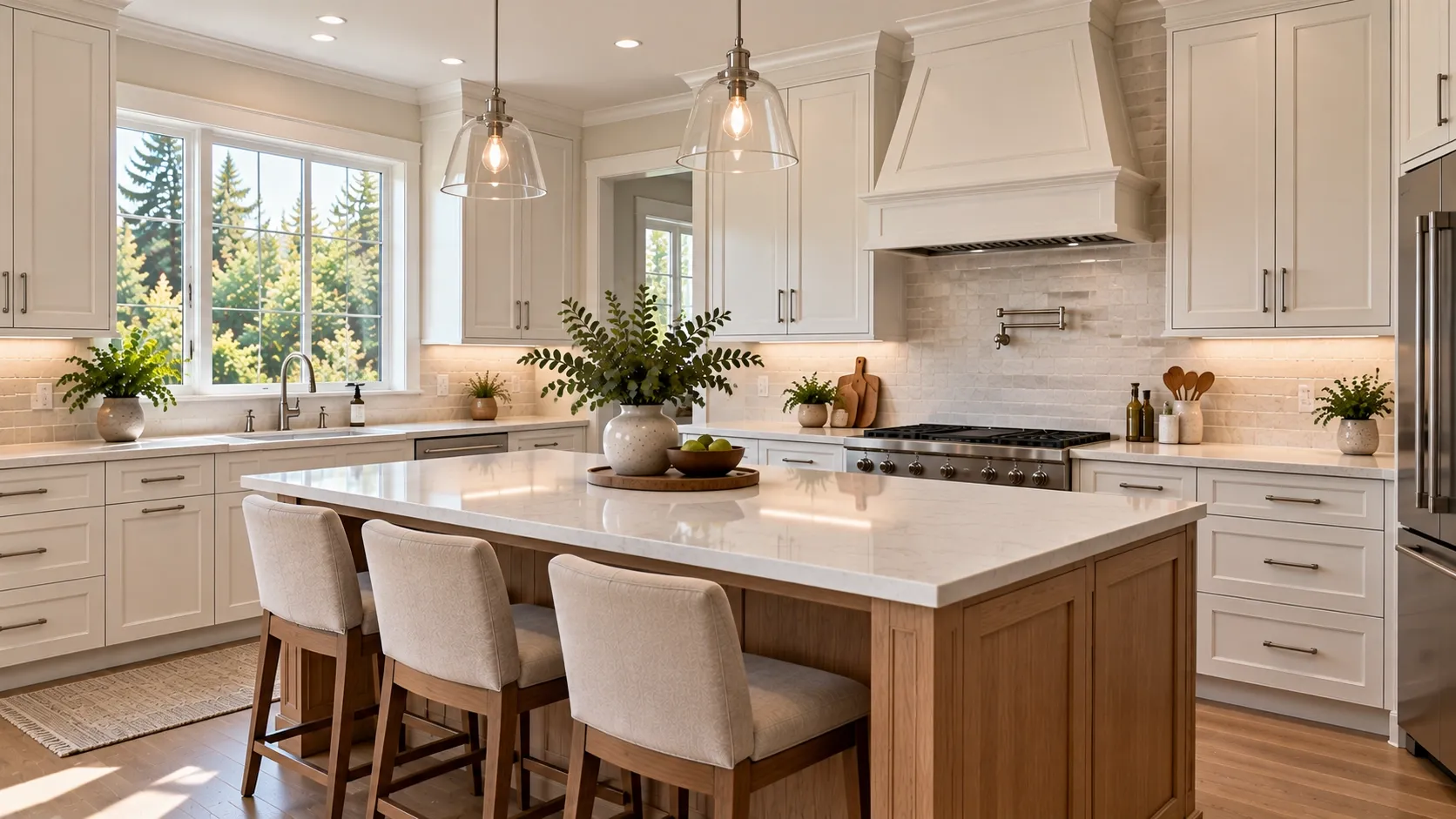
Recessed-panel cabinets feature a center panel that sits below the surrounding door frame. Shaker cabinets are a common example of this broader recessed-panel category.
Depending on the frame's shape and detailing, recessed-panel doors can suit both traditional and contemporary kitchens. Simple square frames create a clean appearance, while more decorative profiles provide a classic feel.
These cabinets offer a useful middle ground between completely flat doors and heavily ornamented designs.
When choosing this style, pay attention to frame proportions, finish, and hardware. These details influence whether the finished kitchen looks modern, transitional, or traditional.
Glass-Front Kitchen Cabinets
Glass-front kitchen cabinets feature transparent or textured glass panels instead of solid door centers. They allow homeowners to display dishes, glassware, and decorative items while adding visual interest.
These cabinets work particularly well on selected upper cabinets, where they can break up a long run of solid doors. Clear glass creates an open appearance, while frosted or textured glass partially conceals the contents.
Consider these practical points before choosing glass fronts:
- Keep displayed items organized to maintain a tidy appearance.
- Use glass-front doors selectively to avoid visual clutter.
- Consider interior cabinet lighting to highlight display items.
- Choose suitable safety glass and hardware for the intended application.
Glass-front cabinets require more attention to organization because their contents remain visible. They are best suited to items you want to display rather than everyday supplies you prefer to conceal.
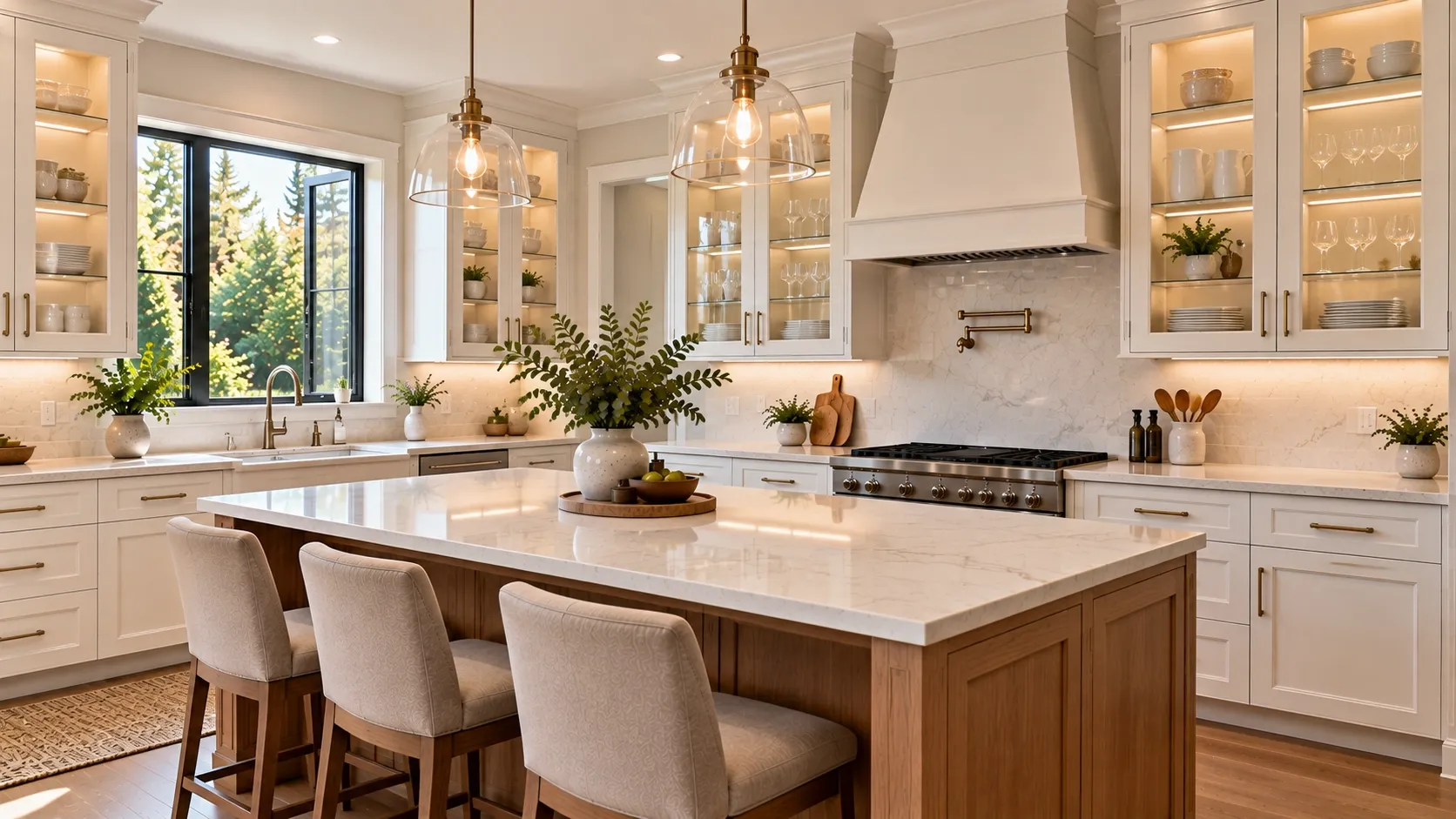
Beadboard Cabinets
Beadboard cabinets feature narrow vertical grooves that create a distinctive, textured surface. This design often appears in farmhouse, cottage, and coastal-style kitchens.
White beadboard doors can create a light, relaxed appearance, while muted green, blue, or natural wood finishes add character. These cabinets pair well with simple countertops and understated hardware.
The grooves provide visual texture but can collect grease and dust, especially near cooking areas. Regular cleaning helps preserve their appearance.
Beadboard is a good option when you want more character than flat doors provide without choosing elaborate traditional detailing. Using it on an island or selected cabinet sections can add interest without overwhelming the kitchen.
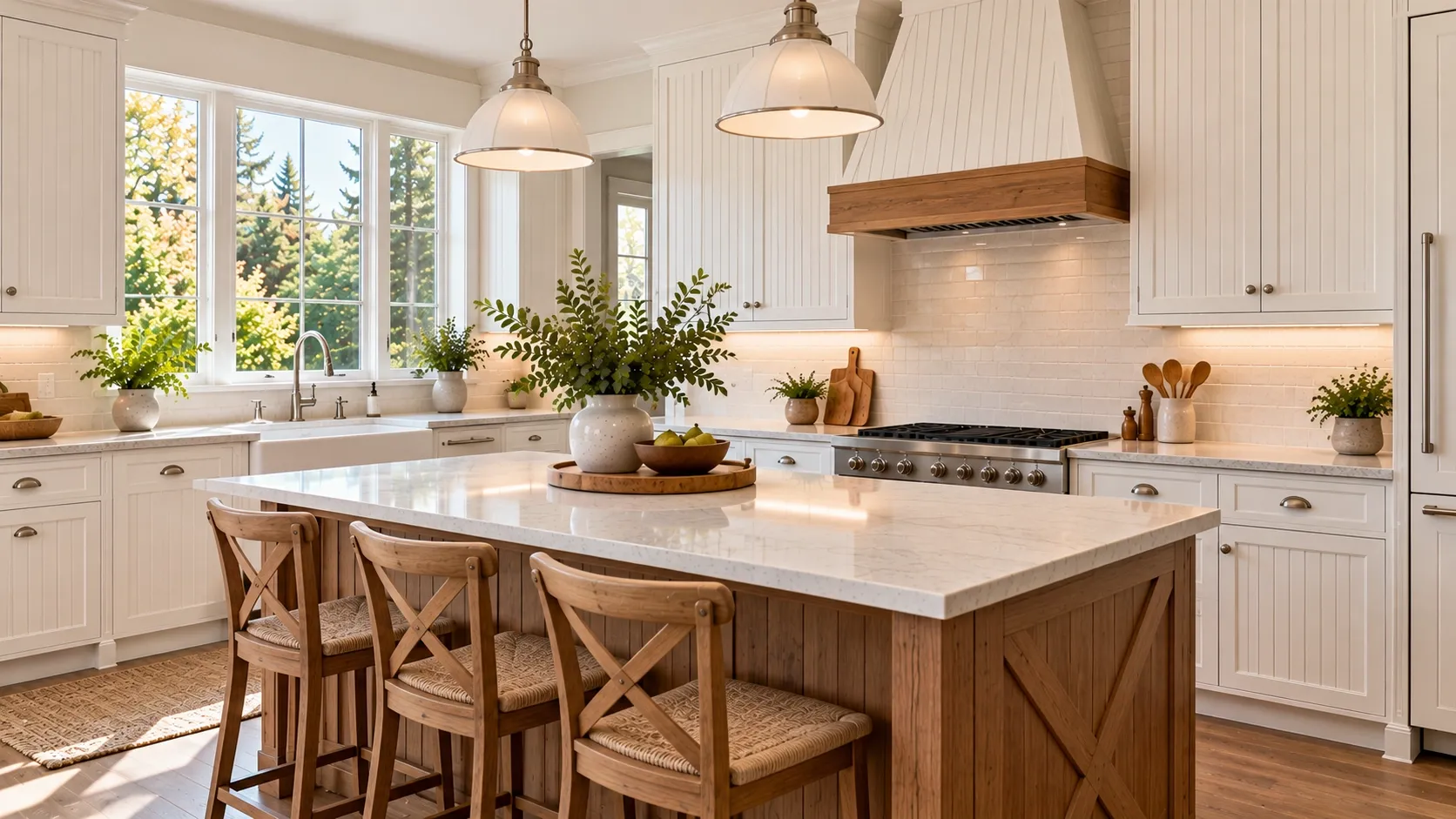
Inset Kitchen Cabinets
Inset kitchen cabinets have doors and drawer fronts that sit flush within the cabinet frame rather than overlapping its outer edges. This creates a precise, furniture-like appearance.
The style suits traditional, transitional, and carefully designed contemporary kitchens. Its clean alignment can make cabinetry feel custom and refined.
Inset cabinets require accurate measurements and skilled installation. Because the doors fit within the frame, small alignment issues can become noticeable. Seasonal changes in humidity may also affect door clearances, depending on the materials and construction.
This style can cost more than simpler overlay cabinetry because of its construction and installation requirements. If you prefer a tailored finish, include inset cabinets in your design discussions early in the remodeling process.
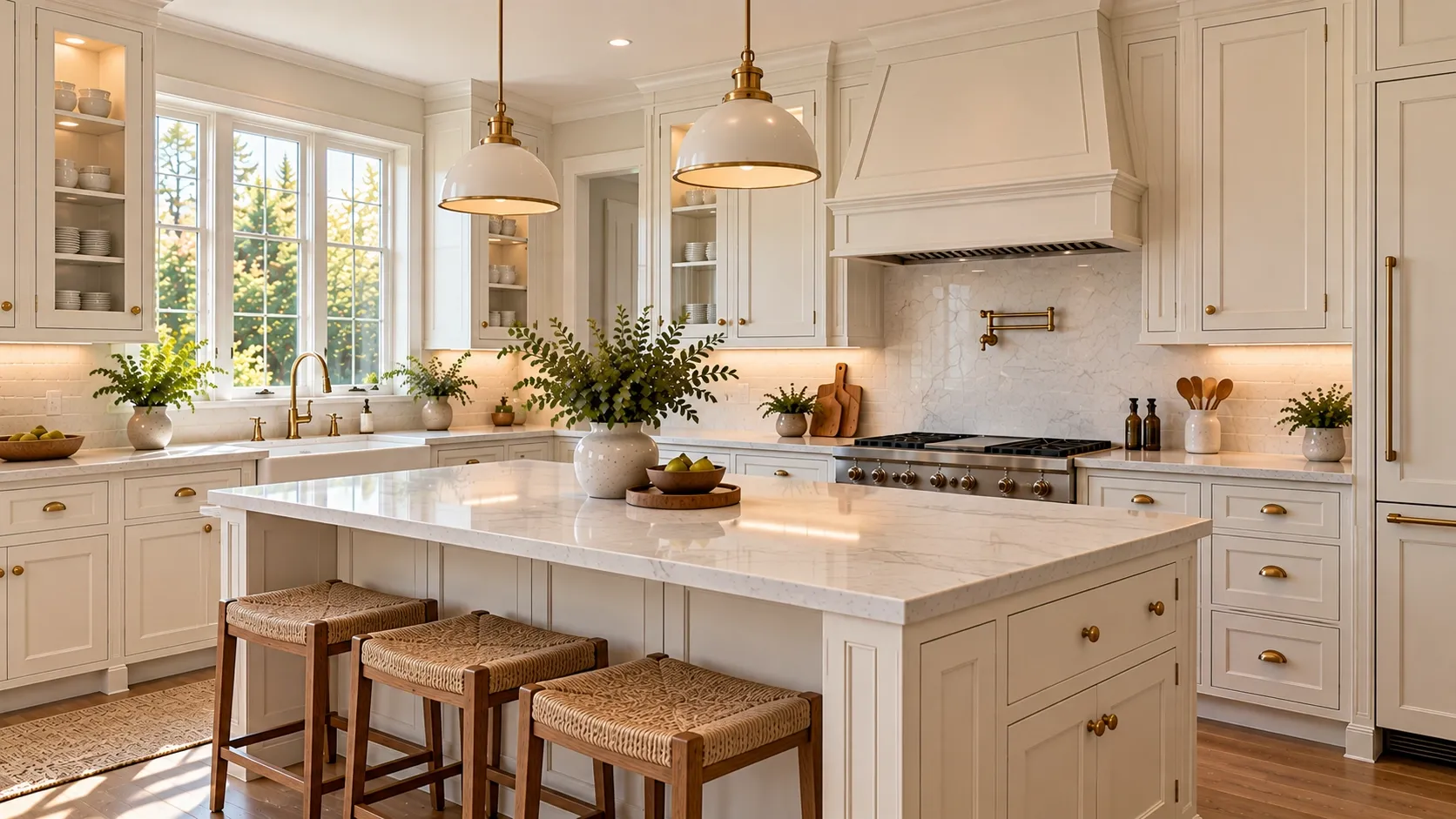
Distressed or Rustic Cabinets
Distressed or rustic cabinets create a lived-in appearance through visible wood grain, textured finishes, weathered effects, or deliberately aged details.
They suit farmhouse, country, lodge-inspired, and rustic kitchens. Natural wood tones can bring warmth, while painted finishes with subtle distressing create a more casual look.
The effect can come from naturally textured materials or a professionally applied finish. It is important to distinguish intentional distressing from actual damage that could affect the cabinet's condition.
To keep the design balanced, pair rustic cabinetry with simpler countertops and restrained hardware. Too many competing textures can make the kitchen feel crowded.
Rustic cabinets are especially appealing when you want the cabinetry to become a defining design feature rather than a neutral background.
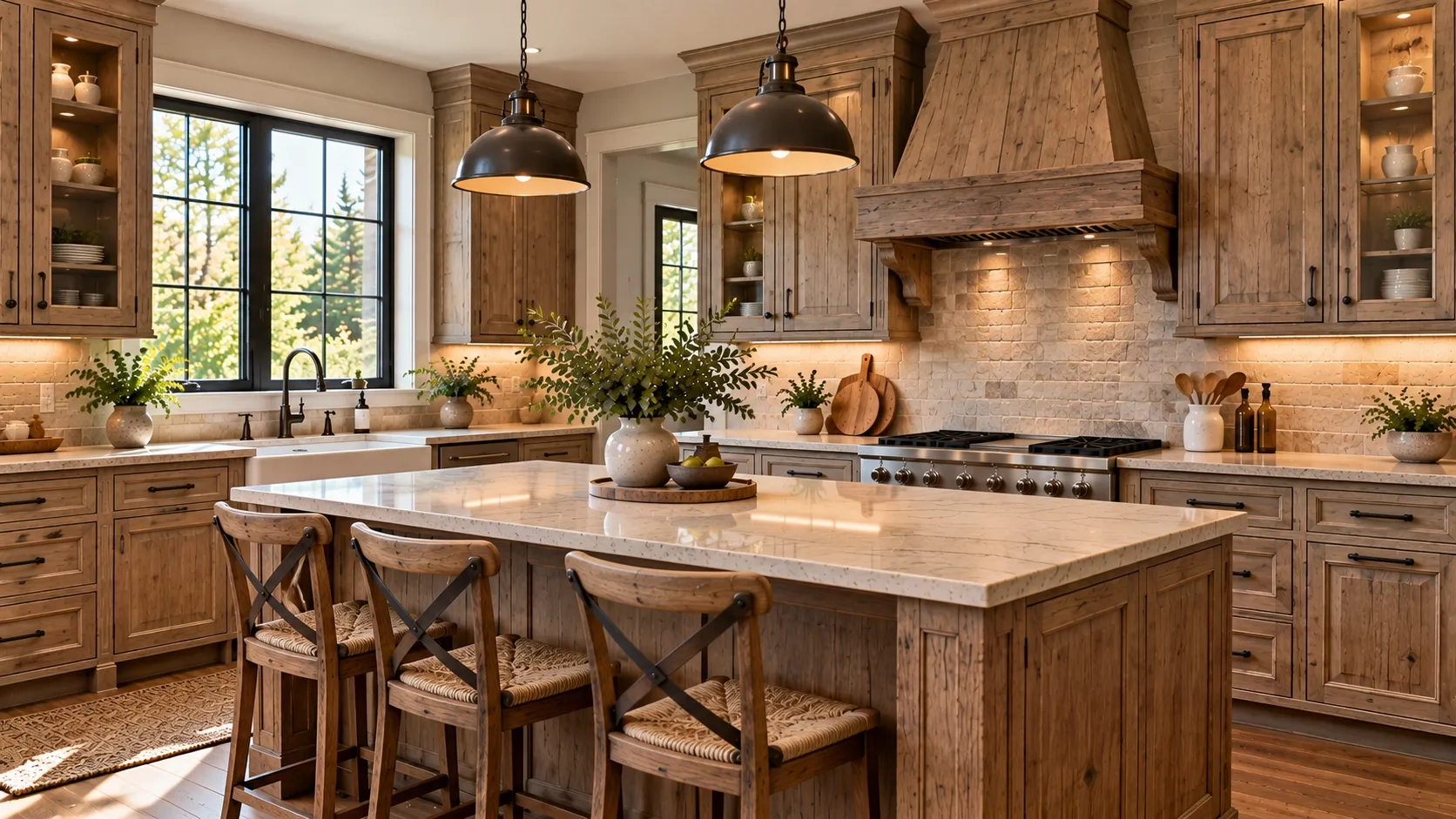
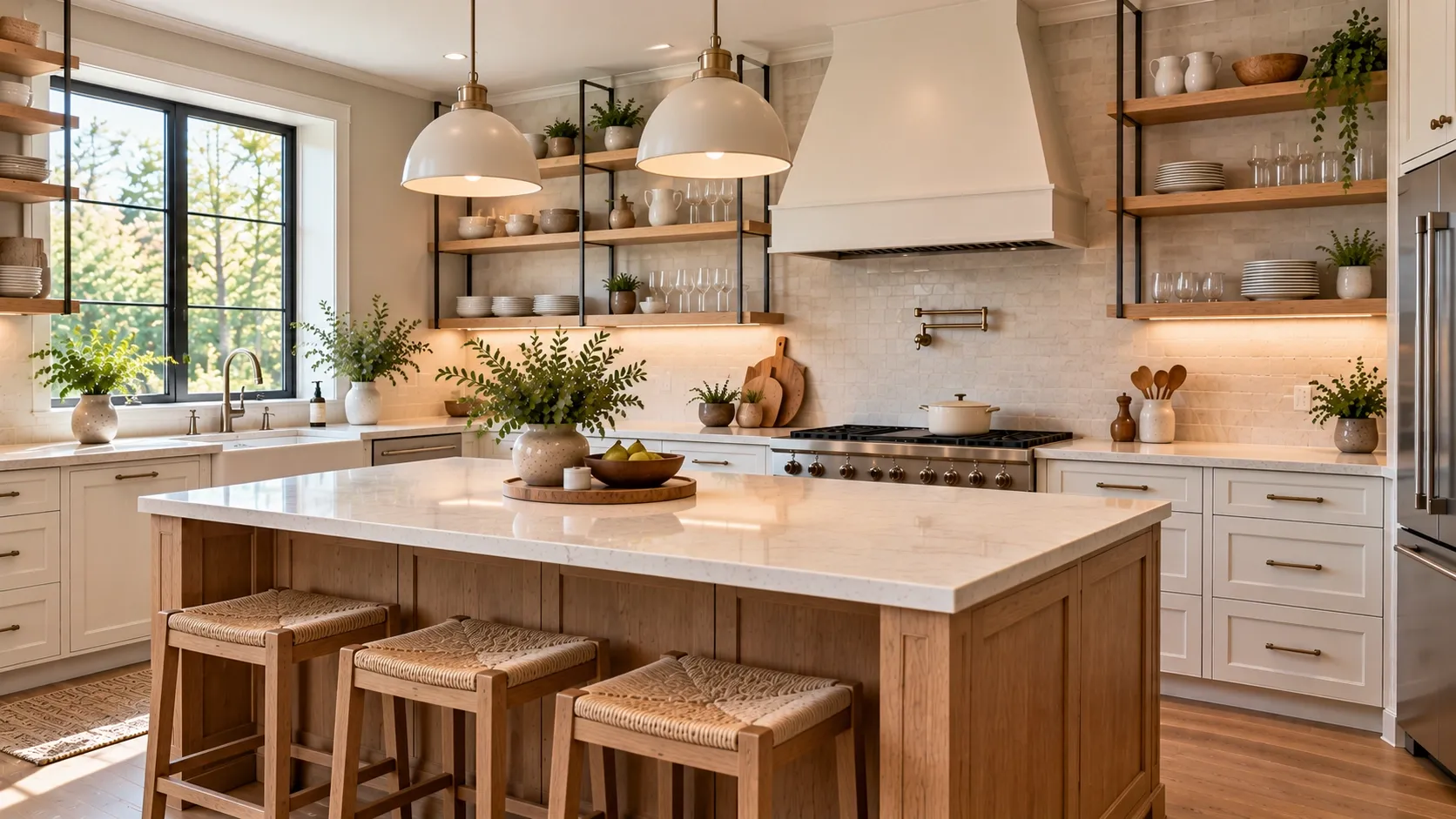
Open-Shelf and Open-Frame Cabinet Designs
Open-shelf and open-frame designs replace some solid cabinet doors with exposed shelving or framed sections. They create an open appearance and make frequently used kitchen items easy to reach.
Open shelves work well for everyday dishes, cookbooks, and decorative accessories. Open-frame cabinets provide a more structured display while maintaining visual openness.
However, these designs sacrifice some concealed storage. Items may also collect dust and grease, particularly near the stove.
For most kitchens, a balanced approach works best. Keep essential supplies behind closed doors and use open shelving for selected items that are attractive and regularly used.
This combination can introduce visual interest without requiring you to keep every kitchen item on display.
Traditional Ornate Kitchen Cabinets
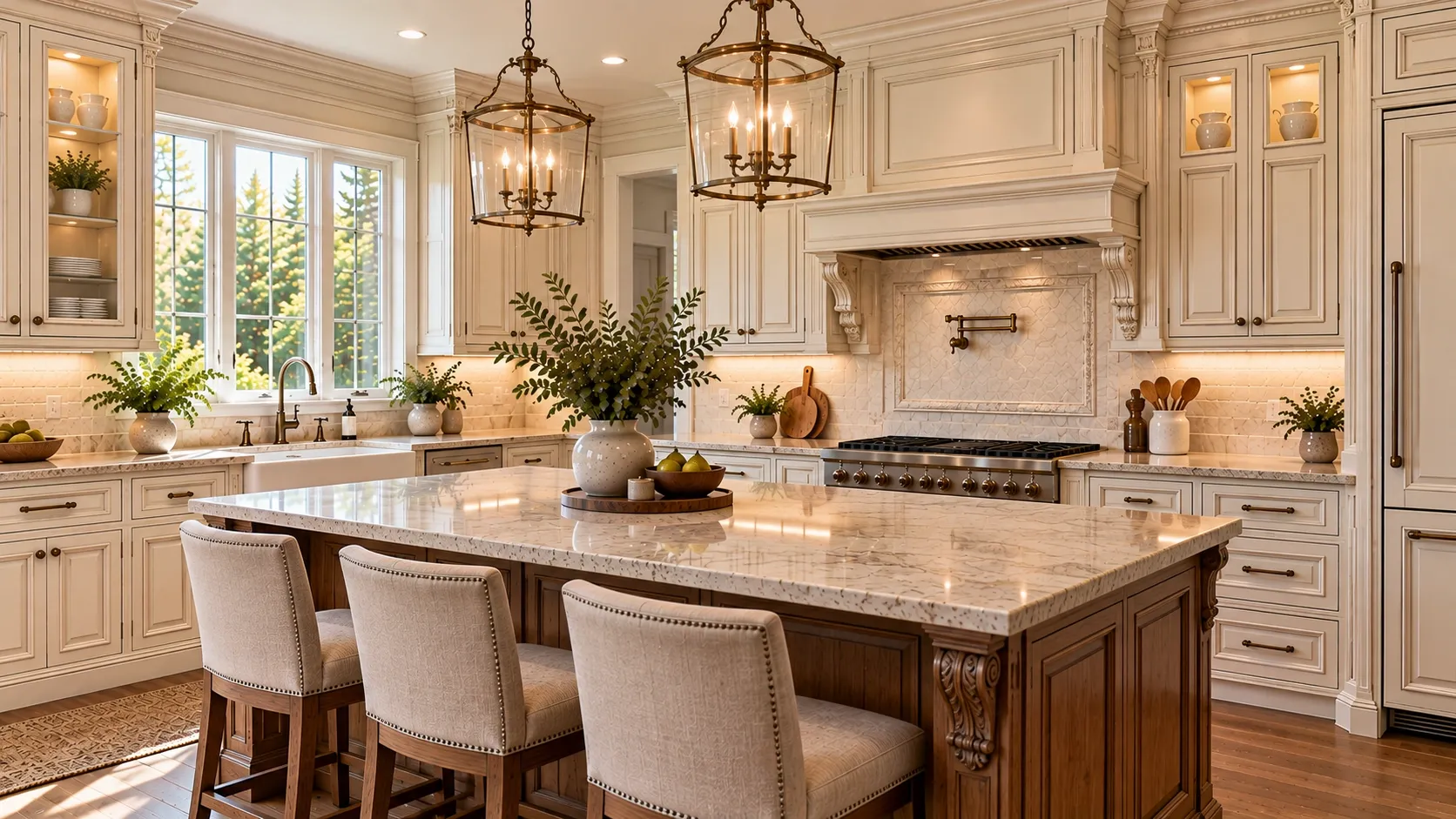
Traditional ornate cabinets feature decorative moldings, detailed door profiles, carved accents, and sometimes elaborate finishes. They create a formal appearance inspired by classic interior design.
These cabinets often work well in larger kitchens where decorative details have room to stand out. Rich wood tones, warm cream finishes, and traditional hardware can reinforce the style.
However, ornate cabinetry can make a small kitchen feel visually busy if the surrounding finishes are equally detailed. Consider simpler countertops, restrained backsplash patterns, and coordinated lighting to maintain balance.
Decorative profiles also require more careful cleaning than smooth cabinet doors. If you love traditional design, choose a level of detailing that suits your available space and maintenance preferences.
How to Choose the Right Kitchen Cabinet Style
Choosing kitchen cabinet styles involves more than selecting an attractive door. The best option should suit your kitchen layout, storage requirements, budget, and preferred level of maintenance.
Start by considering the overall design. Flat-panel cabinets often complement modern interiors, while Shaker doors adapt to several styles. Raised-panel and ornate cabinets create a more traditional appearance.
Next, consider the finish and materials. Painted cabinets offer a wide range of colors, while wood finishes highlight natural grain. Your cabinet color should work with the countertops, backsplash, flooring, and lighting.
Budget also matters. Door construction, material quality, custom dimensions, hardware, and installation complexity can all affect the final price.
Think about everyday functionality, too. Families who cook frequently may prefer mostly closed storage, while homeowners who enjoy displaying dishes might incorporate glass fronts or open shelves.
For a cohesive renovation, coordinate cabinet decisions with your overall kitchen remodeling plan. This helps ensure that the cabinet design works with the layout, lighting, countertops, and other finishes.
Conclusion
The best kitchen cabinet style is one that complements your home while meeting your practical needs. Shaker and recessed-panel cabinets offer versatility, flat-panel doors suit minimalist interiors, and glass-front or open-shelf designs provide opportunities for display.
Before making a final decision, compare cabinet construction, finishes, maintenance requirements, and installation costs. Consider how the style will work with your countertops, flooring, and available storage.
If you're planning a kitchen renovation in Seattle or the surrounding Puget Sound region, GLC Kitchen & Bath Remodeling can help you consider cabinetry as part of a coordinated design-build project. You can also contact the remodeling team to discuss your plans.
Frequently Asked Questions
Shaker cabinets remain a widely used choice because their simple framed design works with traditional, transitional, farmhouse, and contemporary kitchens. Flat-panel cabinets are another popular option for modern interiors. The best choice depends on your preferred design, budget, and maintenance needs.
Flat-panel or slab cabinets are well suited to modern homes because they feature clean surfaces and minimal detailing. Pair them with streamlined hardware, simple countertops, and coordinated finishes. Shaker cabinets can also work in modern kitchens when their proportions and colors remain understated.
Shaker cabinets remain versatile because their straightforward design works across several interior styles. Trends in colors, hardware, and finishes may change, but the basic door profile can adapt to different looks. Choosing a finish that complements your home is generally more practical than following a short-lived trend.
Flat-panel cabinets are generally among the easiest styles to clean because they have fewer grooves and decorative details. However, the finish also matters. Matte, laminate, painted, and high-gloss surfaces have different cleaning requirements, so follow the manufacturer's care instructions for your specific cabinets.